

How To Not Stress About Work at Home
Have you ever felt like the pressures of your career affect your household?
Two skills that change everything: Unplug + Boundaries
Work stress doesn’t usually follow you home because you’re “bad at relaxing.” It follows you home because your nervous system is still activated and your brain is still tracking unfinished tasks, social dynamics, and performance pressure. Here are two things that help me the most:
- Unplug and find an outlet (so your body can actually discharge stress)
-
Create boundaries (so work stops expanding into every corner of your life)
1) Unplug and find an outlet
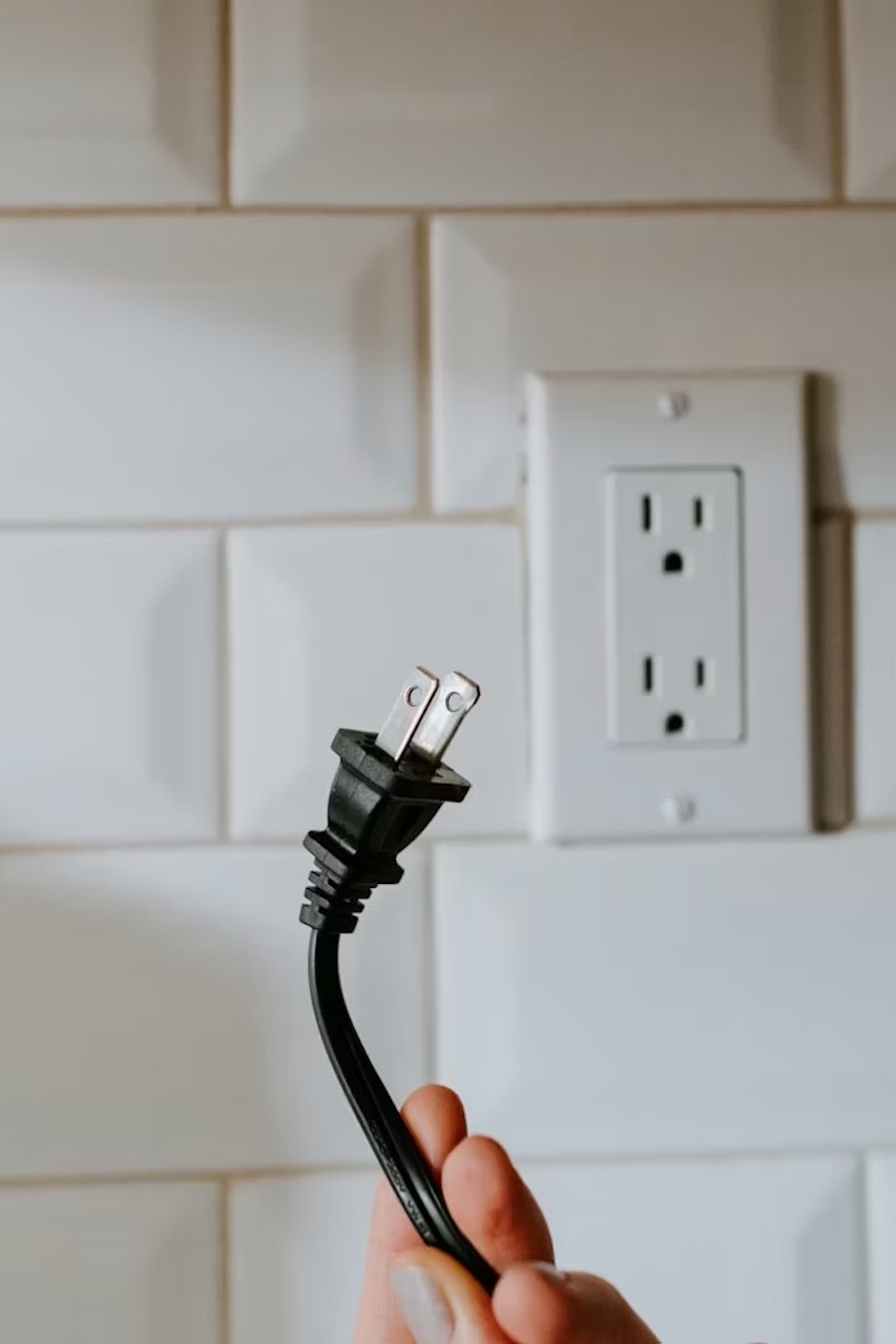
Unplugging isn’t just turning off your laptop. It’s giving your mind and body a clear signal: “We’re safe now. We can come down.” If you don’t provide a release valve, stress will leak sideways, leading to irritability, shutdown, overthinking, snapping at your partner, or hours of scrolling because you can’t settle (which I feel most of us are guilty of).
Unplug = reduce input. Outlet = complete the stress cycle.
Try a simple “unplug” ritual (5–10 minutes):
-
Change clothes or shower as a physical “switch”
-
Put your phone on a charger (out of reach) for a set time
-
Do one small grounding cue: splash water on your face, make tea, step outside
Then choose an outlet that fits you:
-
Therapy: a place to metabolize chronic stress, perfectionism, imposter syndrome, people-pleasing, and workplace dynamics (not just “venting,” but pattern work)
-
Breathwork: especially if you carry stress as tight chest, shallow breathing, or racing thoughts
-
Try: inhale 4, exhale 6 for 2–3 minutes (longer exhales tell the body to downshift)
-
-
Exercise/movement: even a 10-minute walk can discharge adrenaline and reset your mood
-
If you’re fried: gentle movement
-
If you’re keyed up: higher-intensity movement
-
A helpful reframe: the goal isn’t to “be calm.” The goal is to become available to yourself, your home, and the people you love. Therapy helps create this reframe, and you can get started on that journey by contacting us today!
2) Create & Set boundaries

Boundaries aren’t rigid rules—they’re supports. They protect your recovery time, which protects your mood, your relationships, and your health. Without boundaries, your brain learns: work is never done, so your nervous system never fully settles.
Start with one or two boundaries that are realistic (and repeatable).
Types of boundaries that work:
Time boundaries
-
Choose a real “end time” most days (even if it’s not perfect)
-
Create a short buffer between work and home ( even 10 minutes can count)
Physical boundaries
-
If possible: keep work in one space (even one corner)
-
Close the laptop. Close the door. Cover the work items. Visual cues matter.
Digital boundaries
-
Remove work email/Teams/Slack from your phone, or log out after hours
-
Set “Do Not Disturb” windows
-
Use a separate browser/profile for work so you’re not half-working all evening
Mental boundaries
-
Keep a “shutdown list”: write down what’s unfinished + the first step for tomorrow
This tells your brain: it’s contained, not forgotten.
Relational boundaries (the hardest—and most important)
-
Practice a simple script:
-
“I’m off for the night. If it’s urgent, text me. If not, I’ll respond tomorrow.”
-
“I can do that tomorrow during work hours.”
-
Key point: boundaries feel uncomfortable at first because your brain equates them with risk (disapproval, falling behind). But over time, they build safety and predictability—and your stress decreases.
Ready to take the next steps in your mental health journey?
Contact Us Today
Try This Tonight (10 minutes)
Pick one option from each step—keep it simple and repeatable.
1) Create a “Work Is Over” cue (2 minutes)
Choose one:
-
Change clothes or wash your hands slowly and intentionally
-
Step outside for one minute of fresh air
-
Put your phone on the charger and out of reach for 30 minutes
As you do it, say silently or out loud: “Work is done for today. I’m home now.”
2) Contain the mental leftovers (3 minutes)
Grab a note on your phone or a piece of paper and write:
-
What’s unfinished: 3 bullets
-
Tomorrow’s first step: 1 tiny action (ex: “Send one email to X”)
Then close it. This tells your brain: it’s captured; I don’t need to rehearse it.
3) Choose an outlet (5 minutes)
Pick one:
-
Breath reset: inhale 4, exhale 6 for 10 rounds
-
Movement: a quick walk, stretching, or a few flights of stairs
-
Decompress in words: journal for 5 minutes or voice-note what you’re carrying (no editing, just release)
Bonus boundary (optional, but powerful)
Set one small boundary for tonight:
-
No work email after ___ pm
-
Slack/Teams off until tomorrow
-
One sentence you’ll use if work pings you:
“I’m offline for the evening—I’ll respond tomorrow.”
Recap of How to Not Stress about Work at Home
You don’t have to “stop caring” about your job to stop carrying it home. The goal isn’t perfection—it’s recovery. When you build a reliable transition out of work mode, you give your nervous system proof that it’s allowed to downshift. And when you set clear boundaries, you teach your brain that work has a container which doesn’t spill into your evenings, your relationships, and your rest.
Unplugging helps you discharge what you’ve been holding. Boundaries help you protect the space you need to feel like yourself again. With practice, home can become what it’s meant to be: a place where you exhale.
If this feels hard, you’re not failing; your system is just trained to stay on. These skills are learnable, and small changes are often more powerful than big changes you can’t sustain.
The more consistently you practice these small shifts, the easier it becomes to walk in the door and truly be home! If you do want to attend therapy to support these small shifts, contact us today!
Ready to take the next steps in your mental health journey?
Contact Us Today
