

Postpartum depression in first-time moms can make the happiest-looking season of your life feel frightening, lonely, and completely unfamiliar. You may wonder whether the crying, dread, irritability, or numbness is simply exhaustion, or whether something deeper is happening.
As a therapist, I have sat with many moms who believed they were failing when they were actually struggling with a real, treatable mental health condition. The CDC reports that about 1 in 8 women with a recent live birth experience symptoms of postpartum depression.1 You are not weak, ungrateful, or anything less than a great mom. You may simply need support.
Table of Contents
- Why postpartum depression can be hard to recognize
- Baby blues versus postpartum depression
- Postpartum depression symptoms new moms should know
- Why first-time motherhood feels overwhelming
- Treatment and support options
- When to get immediate help
- Healing from postpartum depression in first-time moms
Why Postpartum Depression in First-Time Moms Can Be Hard to Recognize
When this is your first baby, you do not have a personal “normal” to compare the experience to. Sleep deprivation, physical recovery, feeding difficulties, and around-the-clock newborn care can blur the line between a hard adjustment and clinical depression.
In the DSM-5 framework, postpartum depression is generally diagnosed as a major depressive episode with peripartum onset, rather than as a completely separate disorder.2 Symptoms can also emerge later, which is why screening may continue throughout the first postpartum year.3
Baby Blues or Postpartum Depression?
The baby blues are common. They may include tearfulness, mood swings, irritability, and feeling overwhelmed, but they typically improve within about two weeks after delivery.2
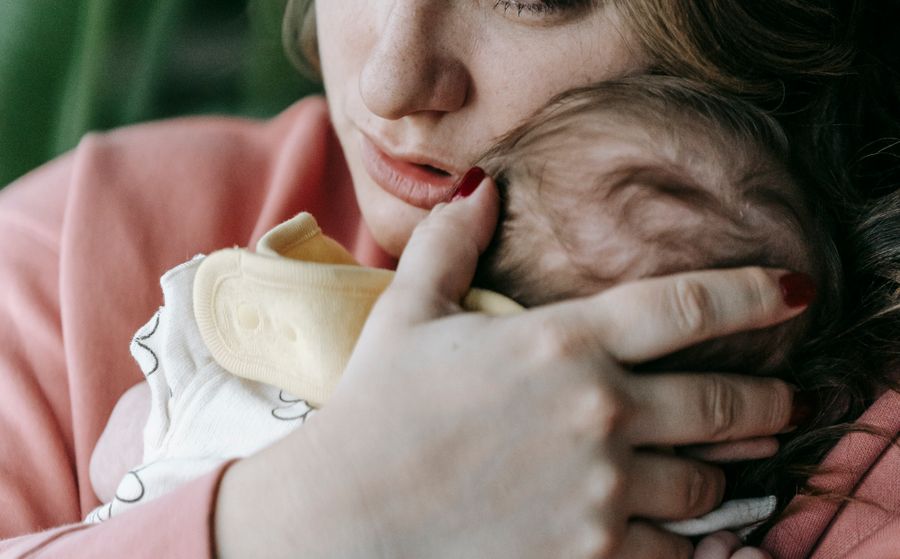
Postpartum depression tends to be more intense, lasts longer, and interferes with daily functioning. You may look “fine” while feeling like you are barely surviving internally.
Ask yourself:
- Do I feel like myself?
- Can I experience moments of relief or pleasure?
- Am I constantly anxious, ashamed, numb, or hopeless?
- Are these feelings improving or becoming heavier?
If your symptoms last more than two weeks, feel severe, or make it difficult to care for yourself, it is time to reach out. Contact us today to take the first step toward feeling like yourself again.
Postpartum Depression Symptoms New Moms Should Know
Postpartum depression does not always look like sadness. For many first-time moms, it shows up as anxiety, anger, resentment, guilt, or an intense need to control everything.
Common postpartum depression symptoms include:
- Persistent sadness, emptiness, or hopelessness
- Excessive worry or a sense that something terrible will happen
- Irritability, rage, or feeling constantly overwhelmed
- Difficulty sleeping even when the baby is asleep
- Loss of interest or pleasure
- Feeling disconnected from the baby
- Constant guilt or feeling like a bad mother
- Thoughts of death, self-harm, or harming the baby
Having an unwanted intrusive thought does not automatically mean you want to act on it. Still, frightening thoughts deserve compassionate, professional support, especially when they are persistent, distressing, or difficult to control.
Why First-Time Motherhood Can Feel So Overwhelming
First-time motherhood often comes with a painful gap between what you expected and what life actually feels like. You may love your baby deeply and still miss your old life. You may feel grateful and miserable at the same time.
Postpartum depression rarely has one cause. Research points to hormonal shifts, the demands of childbirth and newborn care, life stress, and individual vulnerability.2 Risk may be higher with a personal or family history of depression, anxiety during pregnancy, a traumatic birth, limited social support, financial stress, relationship strain, or major recent life events.4
Practical support matters too. Help with meals, feeding, nighttime care, laundry, and appointments can reduce the impossible pressure many new moms place on themselves.
Treatment for Postpartum Depression in New Mothers
Postpartum depression is treatable, and treatment is not one-size-fits-all. Care may include postpartum depression therapy, medication, practical support, sleep protection, or a combination of approaches.

Evidence-based therapy options include cognitive behavioral therapy and interpersonal therapy.2 4 Therapy can help you challenge cruel internal narratives, adjust impossible expectations, process a difficult birth, strengthen relationships, and find realistic ways to care for yourself.
Medication may also be appropriate, including for some breastfeeding mothers. A medical provider can help you weigh your symptoms, history, feeding plans, and each option’s risks and benefits.
You do not need to wait until you are in crisis. If motherhood feels persistently dark, frightening, or impossible, reach out to a therapist or medical provider today. Getting help early can prevent unnecessary suffering.
Ready to take the next steps in your mental health journey?
When Postpartum Symptoms Need Immediate Help
Postpartum psychosis is different from postpartum depression and is a medical emergency. Symptoms may include hallucinations, delusions, extreme confusion, paranoia, mania, or behavior that seems disconnected from reality.2
Seek immediate help if:
- You believe you may hurt yourself or someone else
- You cannot keep yourself or your baby safe
- You are hearing or seeing things others do not
- You feel severely confused, paranoid, or detached from reality
In the United States, call or text 988 for immediate crisis support, or call 911 in a life-threatening emergency.5 Do not stay alone while waiting for help.
Healing From Postpartum Depression in First-Time Moms
Postpartum depression in first-time moms can make you question your identity, your abilities, and whether you were meant to be a mother. Those thoughts are symptoms, not truths.
You do not have to earn help by getting worse or explain your pain perfectly. So if you are ready, contact us today to take the first step toward healing. We would be honored to help you feel safer, steadier, and more like yourself again.
Ready to take the next steps in your mental health journey?
Footnotes
- Centers for Disease Control and Prevention, “Symptoms of Depression Among Women.”
- National Institute of Mental Health, “Perinatal Depression” and “Population Study Finds Depression Is Different Before, During, and After Pregnancy.”
- American Academy of Pediatrics, “Integrating Postpartum Depression Screening in Your Practice.”
- U.S. Preventive Services Task Force, “Perinatal Depression: Preventive Interventions.”
- 988 Suicide & Crisis Lifeline, “Get Help.”


0 Comments