
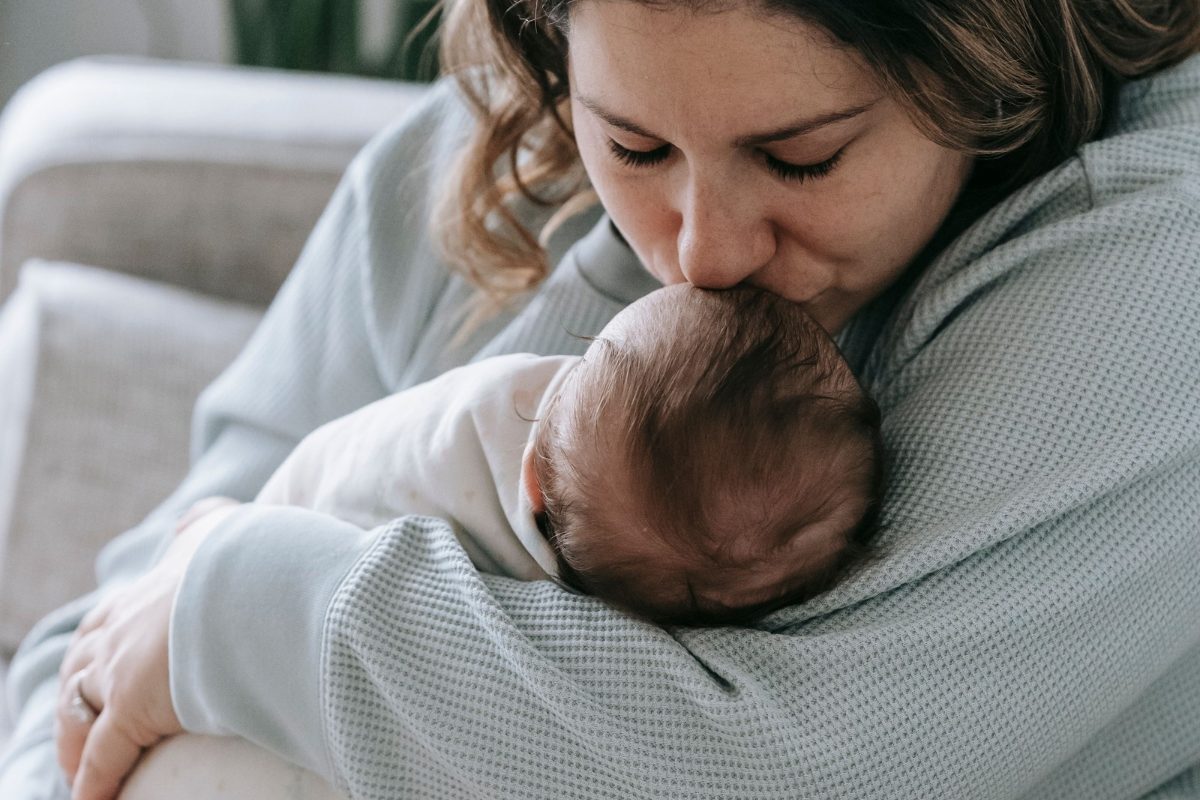
You finally have your baby in your arms, but you’re crying, overwhelmed, or wondering why you don’t feel the way you expected. If you’re searching “postpartum depression vs. baby blues: how to tell the difference,” you deserve a clear answer and a little breathing room.
The quick answer is, baby blues usually begin a few days after birth and resolve within two weeks. Postpartum depression (PPD) involves more persistent or intense symptoms that can interfere with daily life. And of course, you can ask for help at any point, even before two weeks.[1]
In this article we’re going to talk about:
- Comparing baby blues and postpartum depression
- How long baby blues last and whether everyone gets them
- Why evenings can feel harder
- What to do when symptoms overlap
- How partners can help
- When to seek urgent support
Baby blues vs. postpartum depression symptoms
Both can involve crying, irritability, worry, and exhaustion. The difference involves timing, severity, and how symptoms affect your ability to function.[2]
| What to watch for | Baby blues | Postpartum depression |
|---|---|---|
| When symptoms begin | Usually within the first few days after birth | Can begin soon after birth or later in the first year |
| How long they last | Usually improve within days and resolve within two weeks | Persist beyond two weeks or become severe enough to need earlier assessment |
| Emotional symptoms | Tearfulness, mood swings, irritability, feeling overwhelmed | Persistent sadness, emptiness, hopelessness, guilt, or loss of interest |
| Daily life | Distressing, but generally less disruptive | May interfere with eating, sleeping, self-care, or caring for your baby |
| What helps | Reassurance, practical help, and opportunities for rest | Professional evaluation and treatment, alongside practical support |
These patterns are a guide, not a way to diagnose yourself.[2][3] Being able to change diapers, smile for a photo, or get through an appointment does not rule out depression.
PPD may also involve withdrawing from others, difficulty bonding, or feeling unusually angry.[3] If anger is what you notice most, our article on postpartum rage explores that experience.
How long do baby blues last? Does everyone get them?
Baby blues typically start around two to three days after delivery and improve within a few days to two weeks. If you’re asking, “How long did your baby blues last?” other parents’ experiences can feel reassuring, but your own symptoms deserve attention.[4]
No, everyone does not get baby blues. March of Dimes estimates that up to four in five people who give birth experience them.[4] Having them does not mean you’re ungrateful, and not having them does not mean you’re adjusting “better.”
Common does not mean you have to manage alone. Even temporary symptoms deserve kindness, meals you don’t have to prepare, and someone who asks how you are doing.
Do baby blues get worse at night?
Evenings can feel harder, especially when you’re exhausted or anticipating another interrupted night. Lack of sleep and worries about caring for a newborn can contribute to postpartum distress.[4]

However, the time of day does not tell you whether it’s baby blues or PPD. Pay attention to the overall pattern: Are symptoms easing, persisting, or getting worse? Are you able to rest when someone else takes over?
Consider arranging help before your hardest stretch: dinner delivered, an evening check-in, or another adult handling diaper changes and settling. These practical tips for surviving postpartum offer additional ideas.
Ready to take the next steps in your mental health journey?
What if it feels like both baby blues and postpartum depression?
You don’t have to sort yourself into the right category before reaching out. Early symptoms overlap, and symptoms initially described as baby blues may persist or worsen, prompting assessment for PPD or another postpartum mental health condition.[5]
If you’re experiencing both emotional ups and downs and deeper sadness, start here:
- Tell your OB-GYN, midwife, or primary care provider. Describe when symptoms started and how they affect your day.
- Ask for a postpartum mental health assessment. A questionnaire can help guide a fuller conversation.
- Make support specific. Ask someone to bring lunch, manage laundry, or care for the baby while you rest.
- Discuss treatment options. Therapy, medication, or both may be recommended depending on your needs.[5]
Rest and household help support recovery, but they do not replace treatment when depression is present. Tell your prescriber if you’re breastfeeding so treatment decisions account for that.[5]
For ongoing support, explore postpartum therapy at The Peaceful Mind Counseling Center. We’d love to help!
For a spouse or partner who is worried
Start with curiosity: “You seem like you’ve been having a really hard time. How are you feeling?” Listen without arguing, comparing, or insisting that this should be a happy season. Offer concrete help, encourage an appointment, and ask whether your partner would like you to attend. You can help with childcare, transportation, and describing changes they want the clinician to understand.[6]
Your role is to take their experience seriously and help them access care. Avoid making them prove that things are “bad enough.”
When postpartum symptoms need prompt or emergency care
Contact a healthcare provider promptly if symptoms worsen, last beyond two weeks, or make daily functioning difficult. Do not wait for the routine postpartum visit if you’re struggling.[5]
Seek immediate professional help for thoughts of suicide or harming your baby. If you might act on those thoughts, cannot keep yourself or your baby safe, or notice hallucinations, unusual fixed beliefs, or severe confusion, call 911 in the U.S. or go to the nearest emergency department. Postpartum psychosis is a separate psychiatric emergency.[1]
Unwanted, frightening postpartum intrusive thoughts do not automatically mean you want to act on them. Tell a qualified clinician so they can assess what you’re experiencing and provide appropriate care.[6]
Postpartum depression vs. baby blues: You deserve support with either
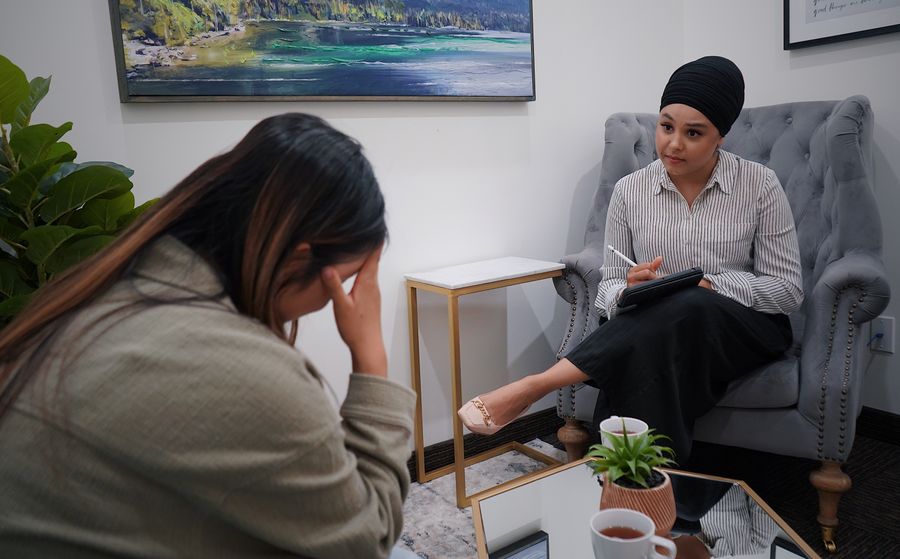
You can love your baby and still need help. You don’t need a diagnosis, a crisis, or the perfect explanation to begin a conversation.
For in-person postpartum therapy in Las Vegas and Summerlin, schedule a free consultation with us at The Peaceful Mind Counseling Center. You deserve care during this transition, too.
Ready to take the next steps in your mental health journey?
Sources
[1]: National Institute of Mental Health. Perinatal Depression. National Institute of Mental Health (NIMH)
[2]: American College of Obstetricians and Gynecologists. Summary of Perinatal Mental Health Conditions. ACOG
[3]: National Library of Medicine, MedlinePlus. Postpartum Depression. medlineplus.gov
[4]: March of Dimes. Baby Blues After Pregnancy. March of Dimes
[5]: National Health Service. Postnatal Depression. NHS
[6]: American Psychiatric Association. Perinatal Depression. Perinatal Depression (formerly Postpartum)


0 Comments