
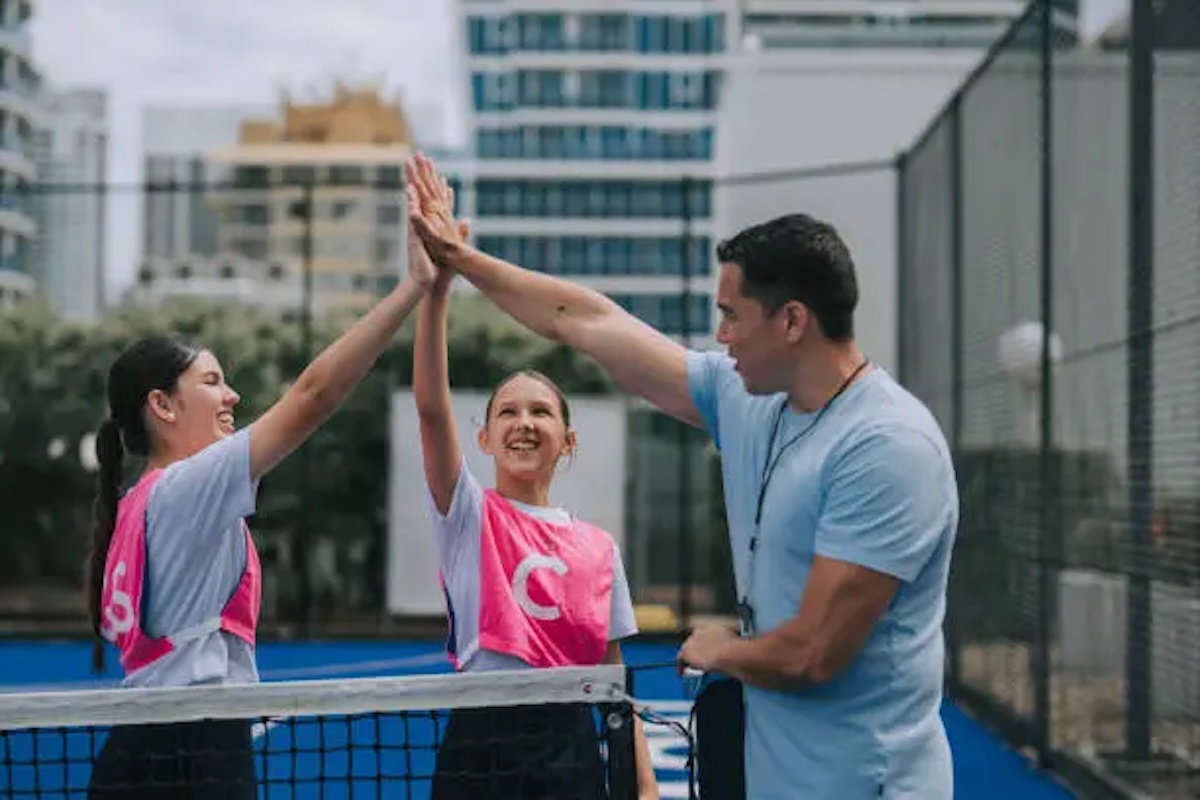
Have you ever watched your teenager hover at the edge of a decision about sports, clubs, classes, jobs, then shut down because it feels too big to choose? You’re not imagining it: the pressure teens feel to pick something that they are passionate about can be paralyzing. And with extracurricular expectations creeping into younger and younger ages, many kids absorb this quiet belief: I have to choose the right thing now… or I’ll fall behind.
At the same time, parents feel their own kind of pressure. You want to open doors, encourage growth, and help your teen build confidence without accidentally taking the wheel. It’s a tough balance: guiding them while still letting it be theirs.
Here’s the reframe that can change everything: passion is rarely something your teen finds. More often, passion is built through exposure, small experiments, confidence-building, and a growing sense of identity. And the good news? You don’t have to solve their whole future right now. You just need a roadmap for the next step.
Ready to take the next steps in your mental health journey?
Why does it feel so hard right now?
A lot of teenagers are absorbing the message that they need to specialize early and stick with the “right” thing—because it will matter for scholarships, college applications, or their future career. Even activities that used to be purely fun can start to feel like a performance or a résumé decision, which makes experimenting feel risky instead of exciting.
Fear of wasting time or choosing wrong
When your teen believes every choice has high stakes, it’s understandable that they hesitate. They may worry about committing and then regretting it, investing money into a program they won’t love, or disappointing you if they quit. For many teens, doing nothing feels safer than making a choice that could be judged—or could “prove” they aren’t good enough.
Comparison is a motivation killer, especially in the teen years. If your teen sees friends who seem to have their “thing”—the sport, the talent, the passion project—it can create the quiet belief that they’re behind. And social media often makes it worse, because they’re comparing their real, messy process to someone else’s curated wins and highlight reel.

What “passion” really looks like (and what it doesn’t)
Passion ≠ one lifelong calling or constant motivation
A lot of teens assume they’re supposed to find the thing that defines them forever, but most people don’t build a life around one single passion. It’s much more common for interests to evolve, and for teens to have seasons of exploration before anything feels clear. Even when a teen truly likes something, they won’t feel motivated every day. Passion usually includes boredom, frustration, and “I don’t want to go today” moments—especially when they’re learning. If your teen thinks passion should feel effortless all the time, they may quit too early because they interpret normal struggle as a sign it’s not the right fit.
Passion =
Interests
-
What they watch/read/listen to repeatedly
-
What they research without being told
-
What they talk about when they’re relaxed
Strengths
-
What comes more naturally or what they improve quickly with practice
-
Strengths beyond grades: creativity, humor, leadership, empathy, strategy, tech, hands-on skills
Values
-
Who they admire and why
-
Causes they care about
-
What they’ll work hard for—even when it’s challenging
Exposure
-
You can’t feel passionate about what you’ve never tried
-
Many teens aren’t unmotivated—they’re underexposed
Ready to take the next steps in your mental health journey?
Start with connection, not correction

Your teen needs a safe place to explore who they are without feeling evaluated or “graded,” so focus on curiosity over coaching. Instead of performance questions, try experience questions like: “When did you feel most like yourself this week?” “What drains you? What energizes you?” or “What would you do if you knew you couldn’t fail?” Then validate first and problem-solve second—because feeling understood is often what helps motivation come back online. From there, your role is support without steering: be the “logistics helper,” not the “life director.” You can offer to find options, drive them, help send an email, or coach them through the nerves of trying something new—without taking over the decision. Even well-meaning comments like “You’d be great at…” can accidentally land as pressure, so a gentler approach is, “Want me to help you find a few options to try?”
What to do when your teen says “I don’t care about anything.”
When your teen says, “I don’t care about anything,” it can feel scary—but it’s often a signal, not a personality trait. Start by gently ruling out what might be underneath it: burnout from being too busy, anxiety that makes trying feel risky, or a low mood that flattens motivation. Then create some white space, because boredom is often the place where curiosity quietly comes back online. Focus on regulation first—sleep, movement, food, social connection, and less screen overload—because it’s hard to feel interested in life when your nervous system is depleted.
From there, aim for tiny wins to rebuild confidence, and use supportive language that lowers the pressure: “You don’t have to pick your whole future. Let’s just find your next step,” and “We’re collecting clues, not making permanent decisions.” Remind them, “You’re allowed to try things and change your mind,” and when they start to shut down, get curious instead of pushing: “Is this not for you—or is it just hard right now?”
When extra support may be needed
How to Help Your Teenager Find Their Passion Conclusion
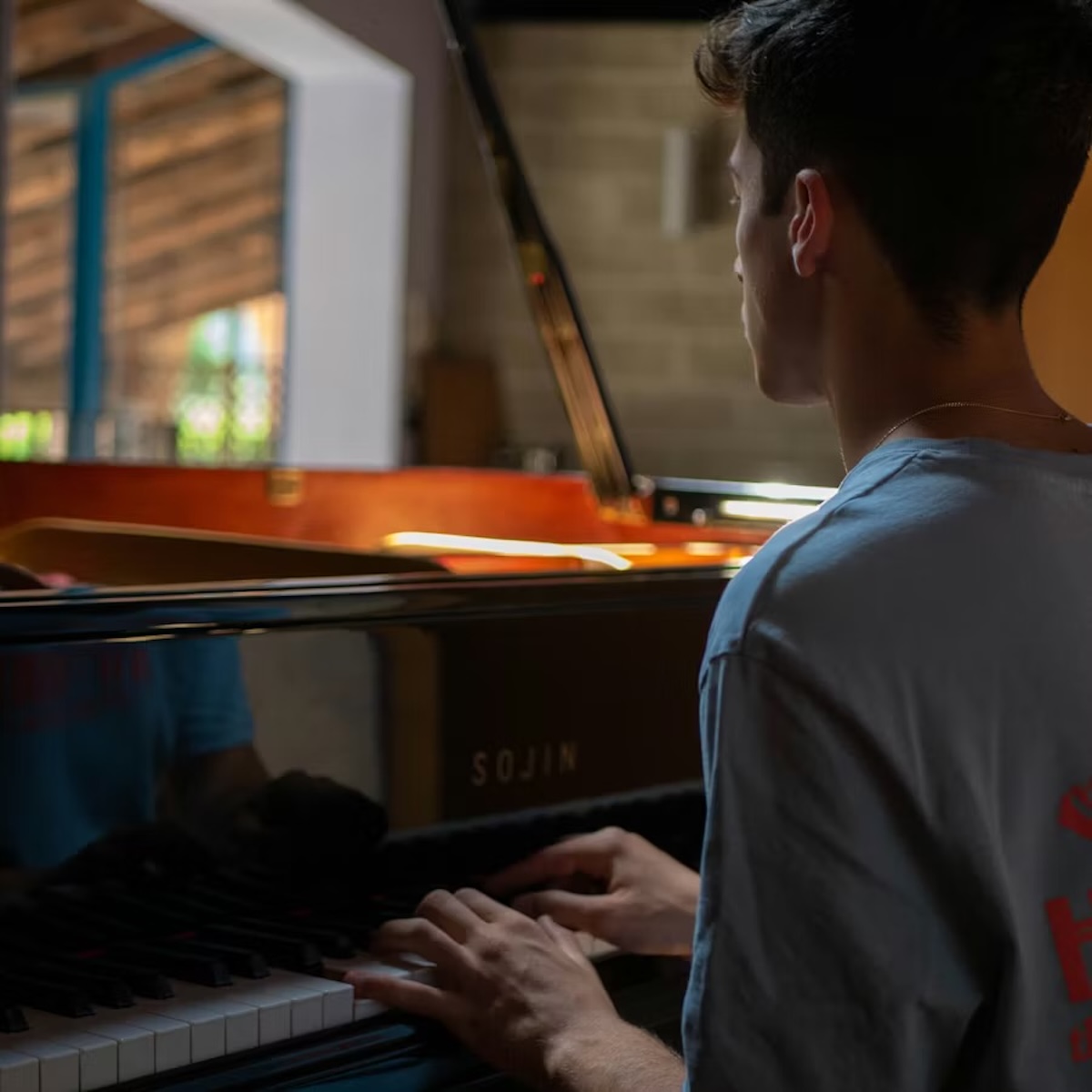
In the end, the real goal isn’t helping your teenager land on one perfect passion that defines the rest of their life. The goal is helping them become the kind of person who trusts themselves—who can notice what feels energizing, take the next step, and keep learning what fits. When teens feel pressured to “figure it out,” they often freeze. But when they have exposure, support, and permission to evolve, curiosity has room to return—and confidence grows naturally alongside it. Your steady presence, your willingness to lower the stakes, and your support for small experiments may be the very thing that helps them discover not just what they like, but who they are becoming.


0 Comments