
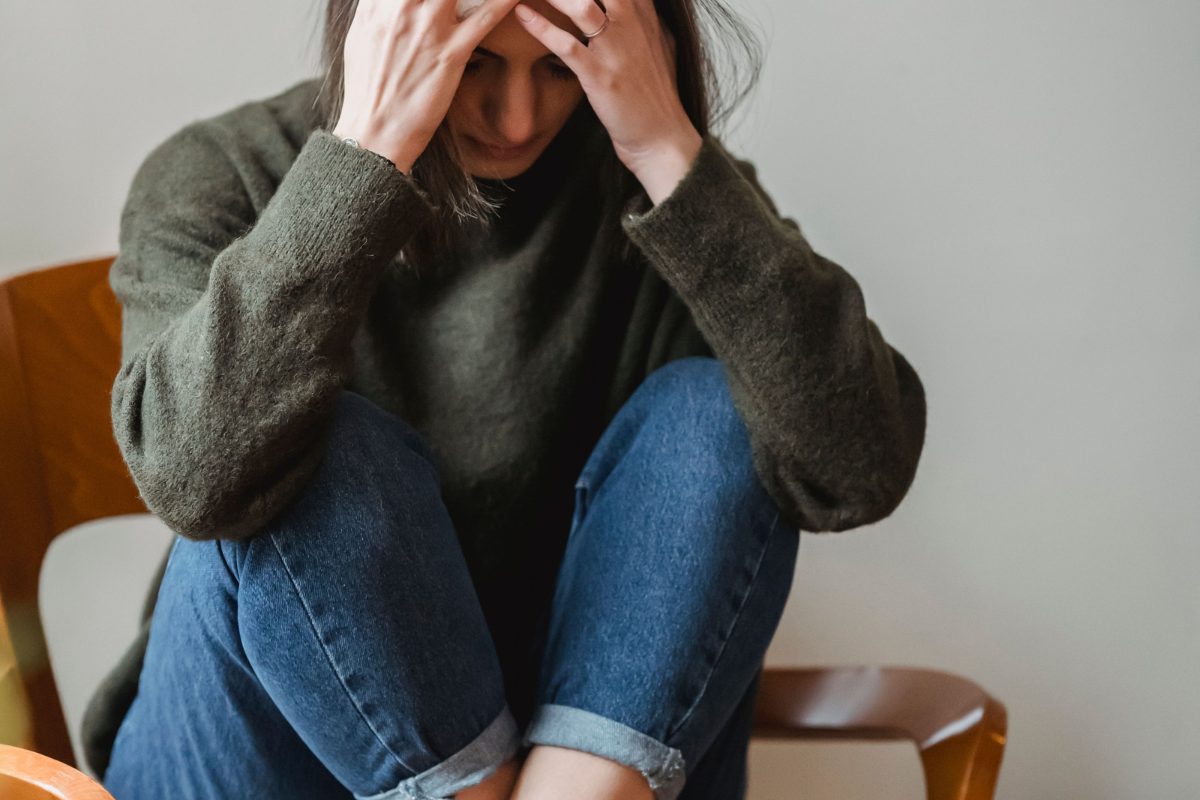
Physical symptoms of anxiety in women can be surprisingly intense. A racing heart, nausea, dizziness, muscle pain, exhaustion, or even feeling like you cannot get a satisfying breath may seem completely physical, even when anxiety is playing a major role.
That is because anxiety does not exist only in your thoughts. Your brain and body are constantly communicating, and when your nervous system detects a threat, your entire body can respond.
Women are also more likely than men to experience anxiety disorders, making it especially important to recognize how anxiety may show up physically.[1]
Table of Contents
- What physical symptoms can anxiety cause in women?
- Why does anxiety cause physical symptoms?
- Why women may experience anxiety differently
- When physical anxiety symptoms need medical attention
- How therapy can help physical symptoms of anxiety
- Physical symptoms of anxiety in women deserve support
What Physical Symptoms Can Anxiety Cause in Women?
Anxiety activates systems throughout the body, which means symptoms can look different from one person to another. Some women recognize themselves as anxious immediately. Others come to therapy saying, “I don’t even feel that worried. I just feel terrible physically.”
Common physical symptoms of anxiety can include:
- Rapid or pounding heartbeat
- Shortness of breath
- Dizziness or lightheadedness
- Sweating or feeling overheated
- Shaking or trembling
- Muscle tension
- Headaches
- Stomachaches or nausea
- Digestive changes
- Fatigue
- Difficulty sleeping
- Frequent urination
- Feeling restless or unable to relax
The National Institute of Mental Health lists headaches, muscle aches, stomachaches, fatigue, trembling, sweating, lightheadedness, shortness of breath, difficulty swallowing, and frequent bathroom trips among possible symptoms of generalized anxiety disorder.[2]
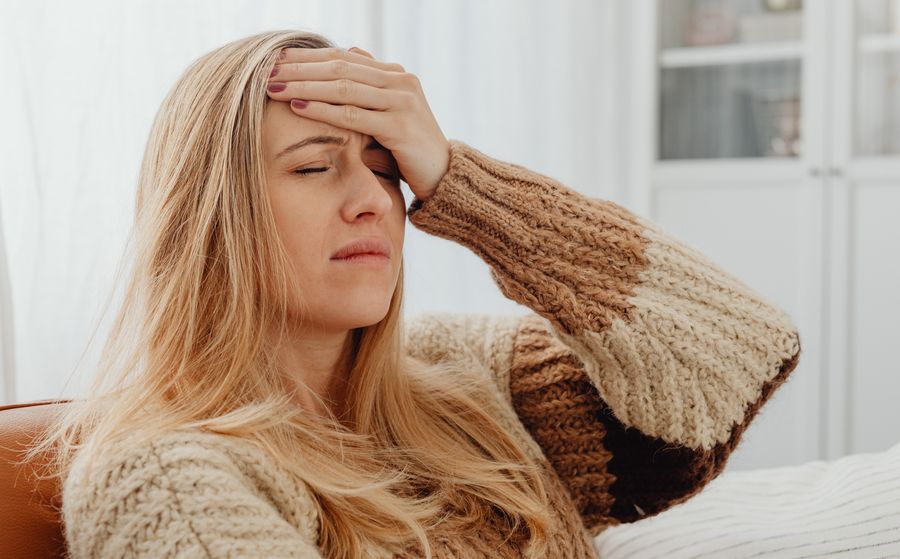
The American Psychiatric Association’s anxiety measures also recognize physical experiences such as a racing heart, sweating, shakiness, difficulty breathing, muscle tension, and sleep problems.[3]
If you are spending a significant amount of time worrying about physical sensations or changing your life to avoid them, it may be worth talking with a therapist.
Why Does Anxiety Cause Physical Symptoms?
Your anxiety response is designed to protect you. When your brain believes something might be dangerous, your nervous system prepares your body to respond.
Your heart may beat faster. Your breathing may change. Muscles tighten, attention becomes more focused on potential threats, and digestion can temporarily take a back seat.
This reaction can be helpful when you are facing an actual danger. But with chronic anxiety, the alarm system can stay activated even when there is no immediate threat.
Over time, chronic anxiety can leave you feeling:
- Physically tense
- Exhausted but unable to rest
- Hyperaware of sensations in your body
- Easily startled
- Uncomfortable in your stomach
- Unable to sleep deeply
The DSM-5-TR criteria for generalized anxiety disorder reflect this mind-body connection. Associated symptoms include restlessness, fatigue, difficulty concentrating, irritability, muscle tension, and sleep disturbances.[4]
Ready to take the next steps in your mental health journey?
Why Women May Experience Anxiety Differently
Anxiety disorders affect people of every gender, but research consistently finds higher rates among women. The reasons are complex and likely involve a combination of biological, psychological, environmental, and social factors rather than one single explanation.[5]
Hormonal changes may be one part of that picture. Research suggests that shifts related to puberty, the menstrual cycle, pregnancy, postpartum, and menopause can influence anxiety symptoms for some women.[6]
That does not mean every woman’s anxiety is “just hormones.” Women also navigate different life stressors, caregiving demands, trauma exposure, social expectations, relationships, work responsibilities, and countless individual circumstances.
Interestingly, research on anxiety across the female lifespan has found that women with generalized anxiety disorder may report physical concerns such as fatigue, muscle tension, and gastrointestinal symptoms.[6]
When Physical Anxiety Symptoms Need Medical Attention
One of the hardest parts about physical anxiety is that many symptoms overlap with other health conditions.
Shortness of breath, dizziness, digestive problems, fatigue, pain, and changes in heart rate can occur with anxiety, but they can also have other causes. You should not automatically assume a new physical symptom is anxiety.
The Office on Women’s Health recommends that clinicians consider medical history, physical examination, and other testing when appropriate to rule out health conditions that could be causing anxiety-like symptoms.[1]
Consider talking with a medical provider if symptoms are:
- New or unexplained
- Severe or rapidly changing
- Persisting despite reduced stress
- Interfering with daily functioning
- Simply concerning to you
Once medical concerns have been addressed, recognizing anxiety as a possible contributor can be incredibly helpful. If you are tired of bouncing between worrying about your body and worrying about your anxiety, therapy can help you understand that cycle and begin changing it.
How Therapy Can Help Physical Symptoms of Anxiety
Treating anxiety is not about telling yourself to “calm down.” Effective therapy helps you understand what keeps your nervous system activated and gives you tools for responding differently.

Cognitive behavioral therapy, or CBT, is one of the most extensively studied treatments for generalized anxiety disorder. Treatment may also include other forms of psychotherapy, medication, or a combination depending on your individual needs.[2]
Therapy may help you:
- Recognize patterns that trigger anxiety
- Challenge catastrophic interpretations of physical sensations
- Reduce avoidance
- Learn nervous-system regulation strategies
- Develop healthier responses to uncertainty
- Work through underlying stress, unresolved trauma, or life transitions
The goal is not to never feel anxious again. Anxiety is part of being human. The goal is to help your mind and body recognize when you are actually safe so anxiety no longer has to run the show.
Ready to take the next steps in your mental health journey?
Physical Symptoms of Anxiety in Women Deserve Support
The physical symptoms of anxiety in women are real physical experiences, even when anxiety is contributing to them. You may feel anxiety in your chest, stomach, muscles, breathing, sleep, or energy long before you recognize it in your thoughts.
And you do not have to simply push through it.
If anxiety is affecting your body, relationships, work, sleep, or ability to enjoy your life, reaching out for help can be an important next step. Contact us today to learn how therapy can help you feel safer, calmer, and more connected to yourself again.
Sources
[1] U.S. Department of Health and Human Services, Office on Women’s Health. Anxiety Disorders. Office on Women’s Health: Anxiety Disorders
[2] National Institute of Mental Health. Generalized Anxiety Disorder: What You Need to Know. NIMH: Generalized Anxiety Disorder
[3] American Psychiatric Association. DSM-5-TR Severity Measure for Generalized Anxiety Disorder, Adult. APA DSM-5-TR Anxiety Severity Measure
[4] American Psychiatric Association. DSM-5 Diagnostic Criteria: Generalized Anxiety Disorder. American Psychiatric Association: Anxiety and PTSD Resource
[5] Jalnapurkar I, Allen M, Pigott T. Factors Associated With Gender and Sex Differences in Anxiety Prevalence and Comorbidity: A Systematic Review. Read the systematic review on PubMed Central
[6] Hantsoo L, Epperson CN. Anxiety Disorders Among Women: A Female Lifespan Approach. Focus. 2017. Read the review on PubMed Central


0 Comments