
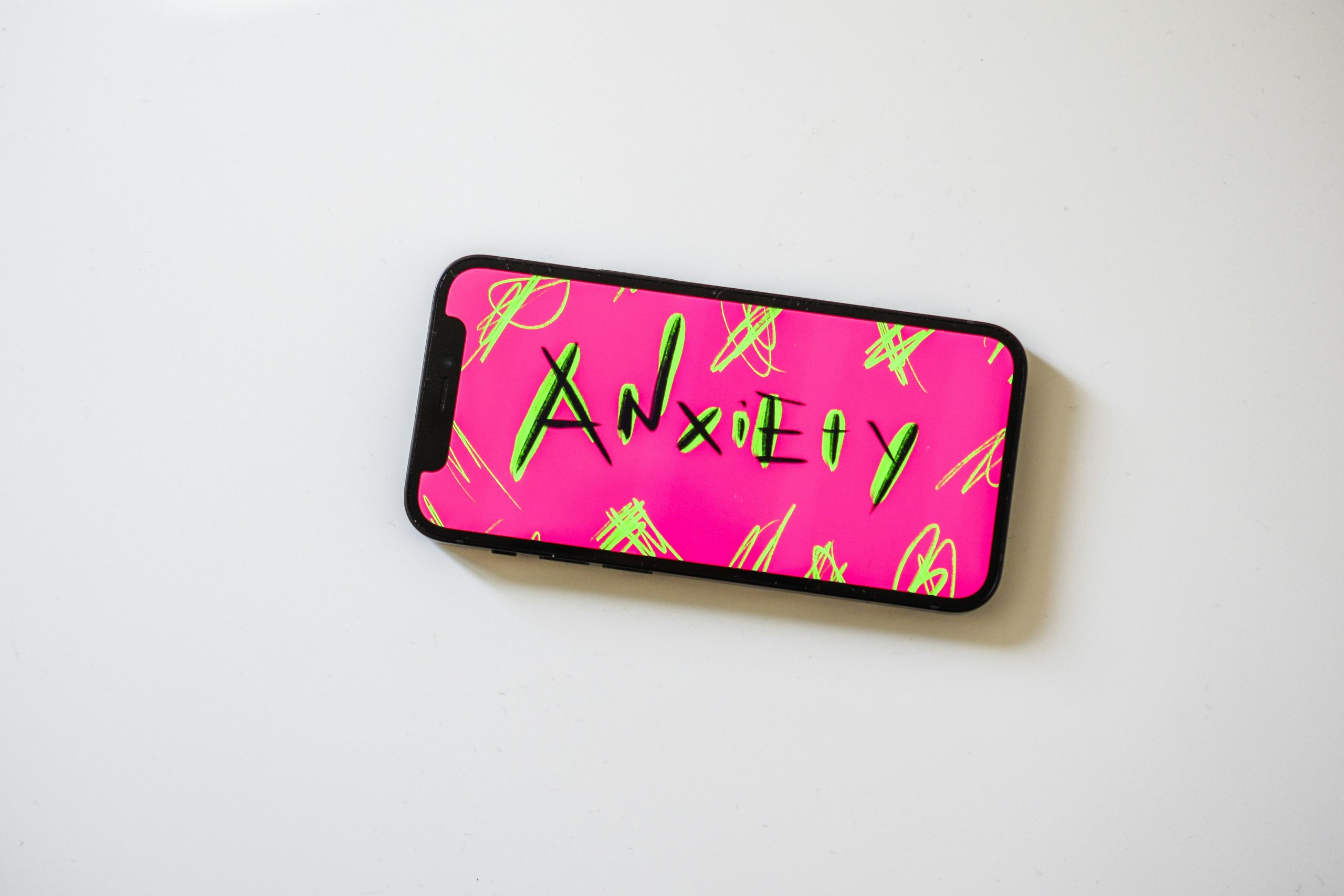
Social anxiety in teens isn’t just “shyness.” It’s a common condition characterized by intense fear and avoidance of social interaction, often leading to distress in school, friendships, and daily life. When it comes to teenagers with social anxiety, research and clinical practice clearly show that supportive, evidence-based strategies make a real difference in a teen’s ability to manage anxiety and build confidence.
Let’s talk about practical approaches you can use at home and in partnership with professionals to help your teen thrive. Here is how to help a teenager with social anxiety.
Here’s what we’ll cover:
- What is social anxiety?
- Understanding and open communication
- Practical strategies
What is Social Anxiety?
Social anxiety, also called social anxiety disorder, is an intense, persistent fear of being judged, embarrassed, or humiliated in front of others. Teens with social anxiety may worry excessively about conversations, school presentations, parties, or even eating in front of peers. This fear often leads to avoidance of social situations, which can interfere with friendships, school performance, and daily life. Physical symptoms such as a racing heart, sweating, trembling, or stomach discomfort are common, and negative thought patterns, like assuming others are criticizing or judging them, often reinforces the anxiety.
According to the National Institute of Mental Health, social anxiety disorder affects millions of adolescents and typically emerges in early to mid-teen years, making early recognition and support especially important.
Ready to take the next steps in your mental health journey?
Understanding and Open Communication
Before you can help effectively, create a space where your teen feels truly heard. Rather than dismissing their anxiety, use active listening: reflect back what they say (“It sounds like being called on in class feels overwhelming”), ask open questions (“What part of that situation felt hardest?”), and validate their experience.
Accepting their feelings doesn’t mean you agree with the anxiety; it means you’re on the same team.
Research consistently shows that teens who feel emotionally supported by caregivers are more willing to take healthy social risks and practice coping strategies.
Practical Tip: Set aside regular, low-pressure times to talk, such as while walking, driving, or doing a shared chore, so conversation feels natural rather than forced.

Calm Down Tools
Let’s talk about some things you can do when you are wondering how to help a teenager with social anxiety.
Social anxiety activates the body’s stress response- racing heart, shallow breathing, sweating, muscle tension. Teaching your teen to regulate these physical symptoms can reduce the intensity of anxious moments.
-
Slow breathing: Inhale for 4, exhale for 6–8.
-
Progressive muscle relaxation: Tense and release muscle groups.
-
Grounding exercises: Name five things you see, four you feel, three you hear.
Practicing these tools when calm increases the likelihood your teen will use them in real social situations.
Encourage Gradual Exposure, Not Pressure
When it comes to how to help a teenager with social anxiety, it can be a delicate balance. You don’t want to push too hard. Avoidance keeps anxiety powerful. One of the most evidence-based treatments for social anxiety is gradual exposure, which looks like facing feared situations in manageable steps.
Instead of pushing your teen into the hardest scenario, help them create a “ladder” from mildly uncomfortable to more challenging.
Example:
-
Make brief eye contact and smile at a peer.
-
Ask a classmate about homework.
-
Stay at a social event for 30 minutes.
-
Speak up once during a group discussion.
Celebrate effort, not perfection. Even small attempts are rewiring the brain.

Challenge Negative Thoughts Together
Teens with social anxiety often engage in “mind reading” (“They think I’m weird”) or catastrophizing (“If I mess up, everyone will remember forever”).
Gently help them evaluate these thoughts:
-
What evidence supports this?
-
What evidence doesn’t?
-
What would you say to a friend who had this thought?
This cognitive shift reduces the power of distorted thinking patterns over time.
Ready to take the next steps in your mental health journey?
Build Self-Compassion and Confidence
Teens with social anxiety are often incredibly hard on themselves. They may replay conversations for hours, fixate on perceived mistakes, or hold themselves to unrealistic social standards. Research consistently shows that self-criticism fuels anxiety, while self-compassion helps reduce it and improves resilience.
Helping your teen shift from harsh self-judgment to a more balanced internal voice is powerful work. This doesn’t mean lowering expectations. It means teaching them to respond to mistakes the way they would respond to a friend: with understanding instead of shame.
Encourage your teen to identify strengths that have nothing to do with popularity or performance — creativity, humor, loyalty, persistence. Confidence grows from recognizing internal qualities, not just social success.

Seeking Extra Help
Therapy gives teens structured, evidence-based tools to manage social anxiety in a supportive environment. Cognitive Behavioral Therapy (CBT), considered a first-line treatment by the National Institute of Mental Health, helps teens identify unhelpful thought patterns, gradually face feared situations, and build coping skills that reduce avoidance.
In therapy, teens learn how anxiety affects the brain and body, practice realistic thinking, and take small, manageable social risks through guided exposure. Just as importantly, therapy offers a neutral, nonjudgmental space where teens can talk openly about fears they may struggle to share elsewhere.
The goal isn’t to eliminate anxiety completely, it’s to help teens gain confidence and the skills to move forward even when anxiety shows up.
Final Thoughts on How to Help a Teenager with Social Anxiety: Practical Advice
Helping a teen with social anxiety requires patience and consistency. Progress often looks gradual: a small risk here, a shorter recovery time there. Over time, those steps add up.
Your steady presence, combined with evidence-based tools, gives your teen something powerful: the belief that anxiety doesn’t get to decide their life. And that belief can change everything!
If you are ready to take the next step, please reach out to us today for a consultation about teenage therapy.
Ready to take the next steps in your mental health journey?



0 Comments